Mold Testing in San Diego, California
Get Fast, Affordable Mold Testing You Can Trust
Concerned about mold in your home or workplace?
Socal Testing in San Diego provides accurate, affordable mold testing with fast turnaround and clear results—so you can protect your health, your property, and your peace of mind.
Don’t Ignore the Signs of Mold
Mold problems often start quietly—musty odors, allergy symptoms, unexplained headaches, or visible discoloration. In San Diego’s coastal climate, moisture issues can quickly lead to mold growth if left unchecked.
Delaying mold testing can result in:
Ongoing health symptoms for family members or employees
Worsening indoor air quality
Structural damage to walls, ceilings, and HVAC systems
Costly remediation and property value loss
If you suspect mold, guessing isn’t enough. You need clear, professional answers.
Understanding Mold in Residential and Commercial Buildings
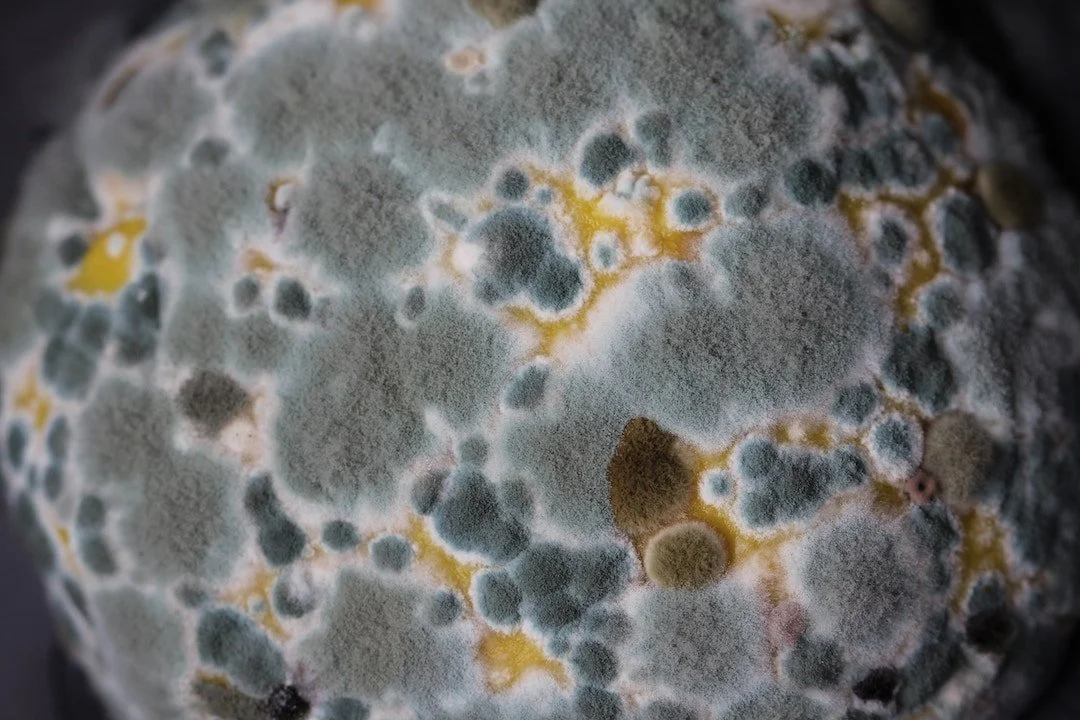
Mold is a fungus that grows indoors when moisture is present on organic materials like wood, paper, and fabric. While mold spores are everywhere, indoor growth becomes a public health concern when excess water allows it to spread.
The EPA Perspective: Moisture Control and Remediation
The Environmental Protection Agency’s (EPA) approach is built on a foundational principle: moisture control is the key to mold control. Eliminating all indoor spores is impossible, but controlling moisture prevents growth. The agency recommends keeping indoor humidity below 60 percent, ideally between 30 and 50 percent, and drying damp materials within 24 to 48 hours.
For commercial buildings and schools, the EPA's Mold Remediation in Schools and Commercial Buildings guide outlines a systematic approach: identifying water sources, fixing the problem, cleaning and drying moldy materials, and discarding items that cannot be adequately cleaned.
The CDPH Perspective: A Health-Based Approach
The California Department of Public Health (CDPH) takes a health-focused stance, concluding that water damage, dampness, visible mold, or mold odor in buildings is unhealthy. These conditions are linked to increased risks of asthma, allergies, respiratory infections, and other respiratory symptoms. The more extensive the dampness and mold, the greater the health risk.
CDPH identifies four key indicators of problematic conditions: visible mold, mold odor, water damage, and visible moisture. The presence of any one or more of these signals a health risk. In California, dampness and mold are legally recognized as conditions that can make housing substandard under the California Housing Code.
Identifying Moisture: The Root Cause
Both agencies agree that identifying the moisture source is the first and most critical step in any mold investigation. Moisture can come from indoor sources like leaking pipes, poor ventilation, and condensation, or outdoor sources like improper drainage, sprinklers, and roof leaks.
Visible signs include water stains, warped floors, peeling paint, rotting wood, and musty odors. Hidden mold can lurk behind walls, wallpaper, or baseboards. Mold odor alone is a strong indicator of health risks, even when mold is not visible. Investigating hidden mold requires caution to avoid releasing large numbers of spores.
Mold Sampling: When Is It Necessary?
Both agencies take a restrained view on sampling. The EPA states that sampling is unnecessary in most cases when visible mold is present, as no federal limits exist for mold or mold spores. Sampling may be useful to confirm adequate cleanup but should be conducted by experienced professionals.
CDPH is even more definitive, strongly recommending against measuring indoor microorganisms to determine health hazards or remediation needs. Current sampling methods cannot reliably quantify health risks or guide health-based actions.
The consensus: visible mold, water damage, or mold odor is sufficient justification for remediation regardless of the species identified.
The "Toxic Mold" Misconception
Both agencies address the misconception of "toxic mold" or "black mold." Their message is clear: the particular kind of mold does not matter.
CDPH states: "Do I need to know if the mold in my building is 'toxic mold' or 'black mold'? No. Any type of mold that you see or smell in your building is a risk to your health and should be fixed." The department further notes that there is no evidence justifying the differentiation of some molds as especially hazardous to healthy individuals.
The EPA echoes this, emphasizing that all mold should be treated with equal concern and removed promptly, regardless of species. Health risks are consistently linked to the presence of water damage, dampness, visible mold, and mold odor—not to specific species or spore counts.
Professional Mold Testing That Gives You Clarity
At Socal Testing San Diego, we believe mold testing should be straightforward, accurate, and accessible. Our certified inspectors follow industry-approved methods and provide detailed lab results you can trust.
Why San Diego clients choose us for mold testing:
Fast turnaround on laboratory results
Knowledgeable, experienced inspectors
Affordable pricing with no hidden fees
Clear, easy-to-understand reports
Honest guidance on next steps if mold is found
Experienced Local Inspectors on Your Side
We understand how stressful mold concerns can be—especially when health or property is on the line. Our team acts as your guide, helping you understand exactly what’s happening and what to do next.
Our experience includes:
Extensive mold inspection and IAQ testing experience
Residential and commercial properties throughout San Diego County
Trusted by homeowners, landlords, property managers, and contractors
Fully insured and compliant with California regulations
Get Mold Tested in 3 Simple Steps
1. Request a Free Consultation
Call, text, or email us to discuss symptoms, moisture concerns, or visible mold.
2. Schedule Your Inspection
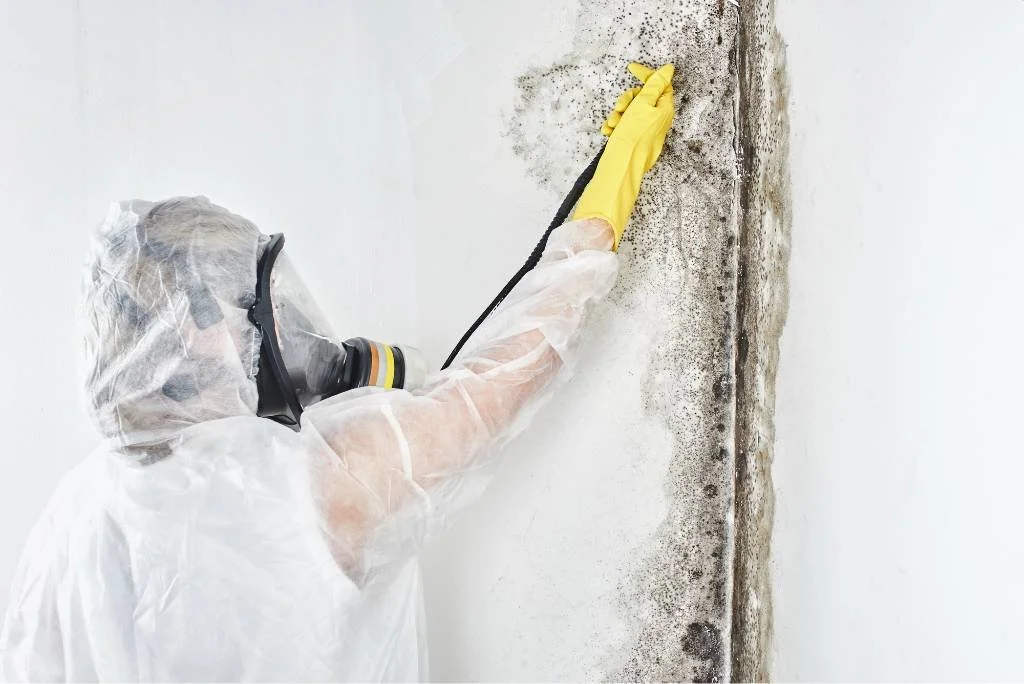
A trained inspector evaluates your property and collects air or surface samples.
3. Receive Your Certified Report
Get fast lab results with clear explanations and recommendations.
Our Mold Testing Services
We offer comprehensive mold inspection and testing services, including:
Mold Air Sampling (IAQ Testing)
Identify airborne mold spores affecting indoor air quality.Surface & Swab Testing
Confirm visible mold growth on walls, ceilings, and materials.Moisture & Leak-Related Mold Inspection
Detect mold associated with plumbing leaks or water damage.Pre-Purchase & Pre-Sale Mold Testing
Gain confidence before buying or selling a property.Residential & Commercial Mold Inspections
Reliable testing for homes, apartments, offices, and industrial spaces.Attic Mold Inspections
A common lurking ground for mold is your attic, which we can thoroughly check for mold growth for you.Mold Lab Testing
We can provide comprehensive mold lab testing services.Mold Damage Investigation
If you suspect mold damage at your property, we can come over, take samples and provide a detailed report.
What Happens If Mold Is Found?
If mold is detected, your report will clearly explain:
The type of mold present
Spore concentrations and risk level
Areas affected
Recommended next steps
Our goal is to give you clarity, not confusion, so you can move forward confidently.
What San Diego Clients Are Saying
“Quick response and very thorough testing. We finally knew what was causing our symptoms.”
“Clear report and honest advice—no pressure, just facts.”
“Professional, affordable, and easy to work with.”
Breathe Easier With Confidence
Living or working with hidden mold can take a toll on your health and peace of mind. With Socal Testing in San Diego, you get fast, certified mold testing and a trusted local partner who puts your safety first.